
5 Things Malaysians Wish They Knew Before Travelling to Japan
Kathrine
2-June-2026
Japan is safe, clean, and easy to get around — or so it seems. Only those who've actually been through it know the hard parts. We always ask our customers for feedback after their trips, and time and time again, they tell us about the same mistakes they wish they'd known about before they left.
As a Japan-based travel company, we want to make sure our Malaysian travellers arrive prepared. Here's what we've seen — and what you can do about it.
1. You will walk a lot, more than you think
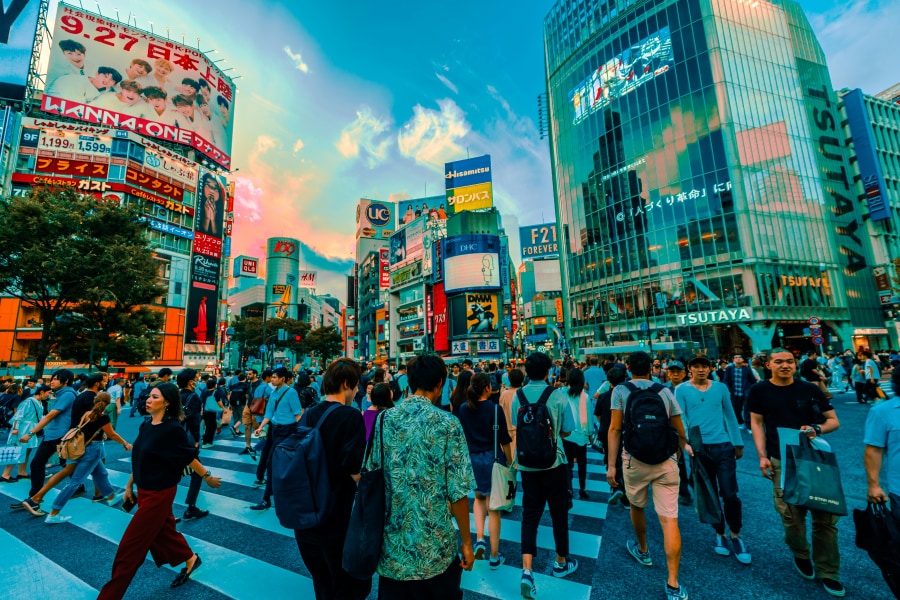
From the moment you land, the walking begins. Narita Airport is not in Tokyo — it's roughly 60–90 minutes away by train. And once you board, your real journey starts: lugging bags through underground corridors, up and down staircases, through ticket gates, and finally several blocks to your accommodation.
Japanese addresses are also notoriously tricky. Google Maps might say "12 minutes" — but with a 20kg bag, elevation changes, and underground tunnels, that easily becomes 25 sweaty minutes.
Our recommendation: Don't judge distances by minutes alone. Always factor in terrain, tunnels, and luggage. Break in your walking shoes before you fly.
2. The train is convenient, but not for a group
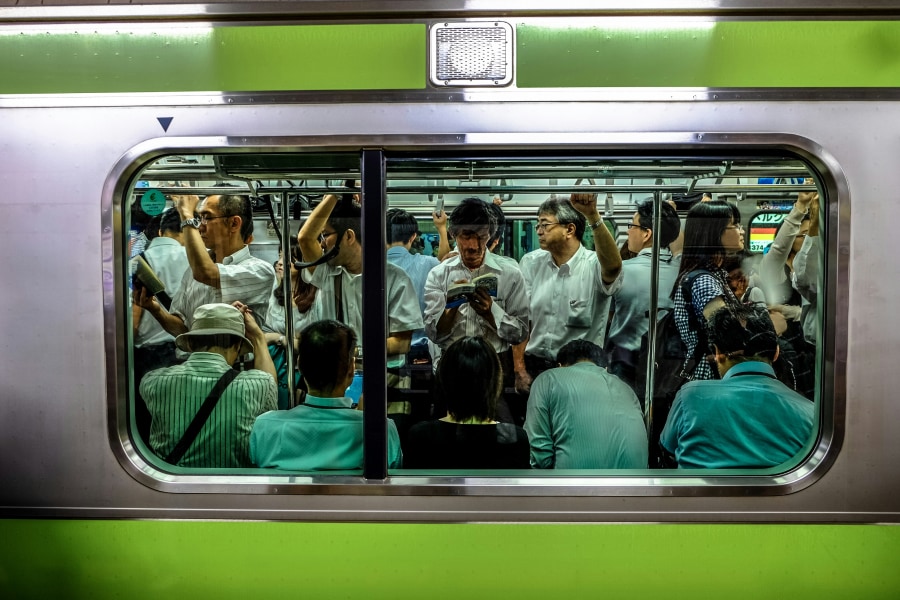
Japan's train system is world-class. But it's largely designed for individuals and couples travelling light. If you're moving with elderly parents, toddlers in prams, or multiple large bags, the experience changes completely. Not every station has escalators or lifts, and when they do exist, they're sometimes tucked at the far end of the platform. During peak hours, fitting a pram into a packed carriage is a mission. Large luggage is technically banned from the Shinkansen without a reserved luggage space (and since 2023, you'll need to book this in advance or pay a fee).
Our recommendation: Book a Tabigo Japan airport transfer or private charter service. Trust us, it could be the best money you spend on the entire trip. 😉
3. Wise and Touch 'n Go are not accepted everywhere
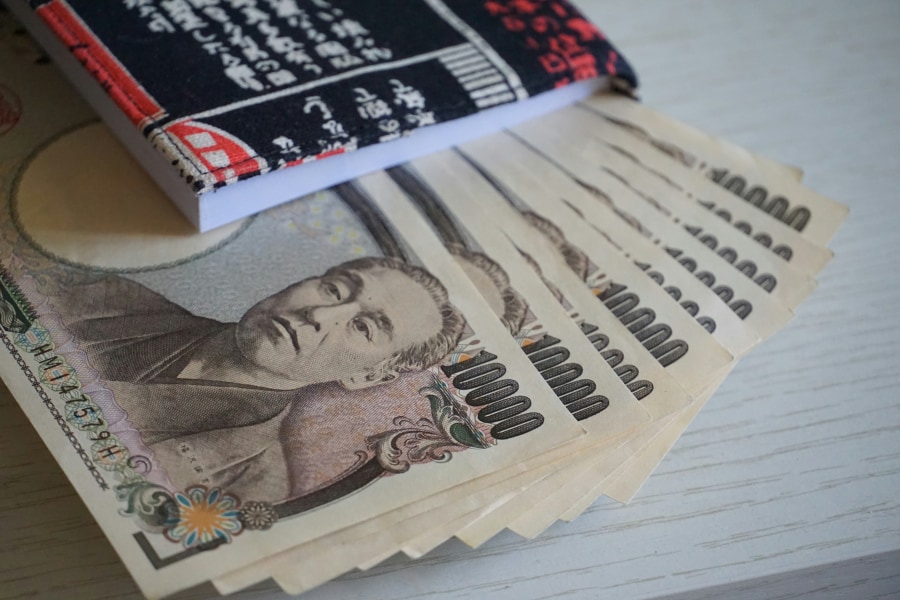
Even in 2026, this still catches Malaysians off guard. Japan is modernising its payments — but slowly. Many small restaurants, temple entry booths, izakaya, street stalls, and rural shops remain cash only. Some onsen won't take cards either. Realistically, expect 40–50% of your spending to be in cash.
Our recommendation: Always keep at least ¥5,000 on you. Wise is a great backup for withdrawing from 7-Eleven ATMs, but don't leave home without physical yen already in your wallet.
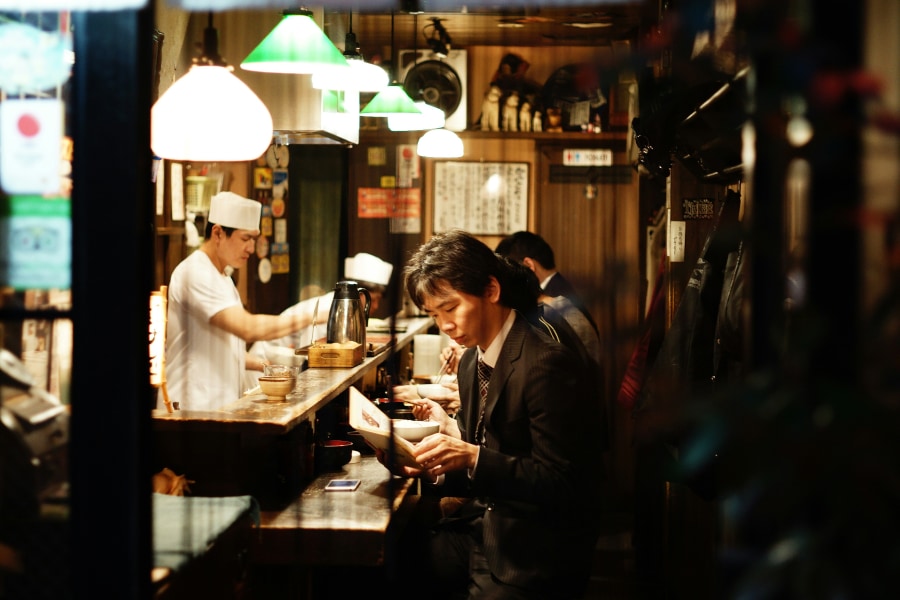
4. Most restaurants are small — groups need advance booking
Malaysians are used to sprawling food courts and big restaurant floors. Japan is different. Most independent restaurants seat 10 to 20 people, and some ramen counters have fewer than eight seats. Walk in as a group of five or more without a reservation and you'll likely be turned away — or left waiting 45 minutes on a narrow street.
Our recommendation: Always pre-planned and book in advance if possible. Alternatively, be flexible with eating non-Japanese meal.
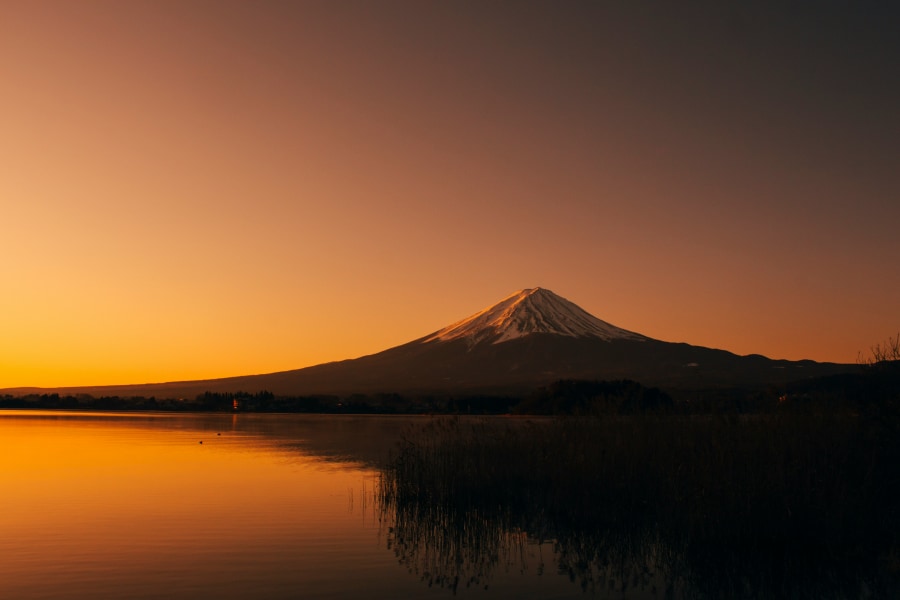
5. Sunrise and sunset times are different than you thought
Back in Malaysia, the sun rises and sets at roughly the same time all year round. In Japan, it changes significantly by season. In winter (December–February), sunset can be as early as 4:30pm. If you've planned a packed day, you might find yourself still on route to your third stop when it's already dark. For our Muslim travellers, this also means prayer times shift noticeably compared to what you're used to back home.
Our recommendation: Check sunrise and sunset times for your specific travel dates before building your itinerary. In winter, prioritise outdoor activities in the morning, and indoor or illuminated activities for the shorter evenings.
When we first came to Japan, we experienced all of this firsthand — and we don't want you to make the same mistakes. With the internet and AI making research so much faster these days, information is everywhere. But there's a difference between what's out there online and what you only truly learn from living here. That's something only locals like us can offer.
Hit us up if you need more help or advice — we're always happy to help!