

Worried About Natural Disasters in Japan? Read This Before You Travel
Kathrine
23-June-2025
While Japan is known as one of the best and safest countries to travel to, one thing that may hold travellers back is the risk of natural disasters. Whether or not you’re worried about them, it’s still important to be prepared — both mentally and physically.
Today, Tabigo Japan is here to share some useful tips for disaster prevention with our fellow travellers.
Before Departure
- Travel Insurance
- Websites and Apps
- Japan Safe Travel Information (web)
-
Safety Tips (app)

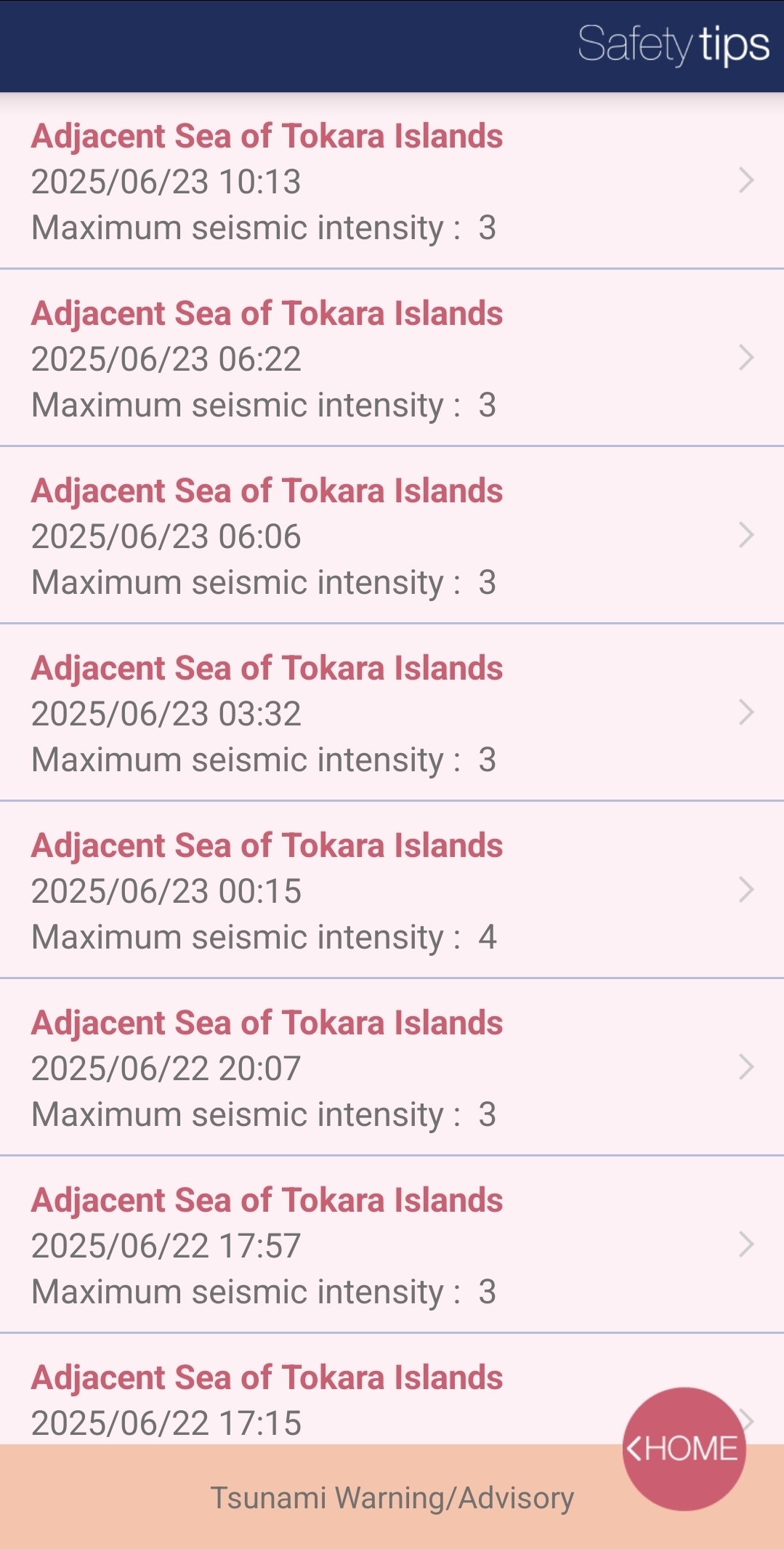


As a travel support agency, we always recommend that our customers sign up for travel insurance before departure. It’s also important to make sure you understand what your insurance covers — and what it doesn’t.
Here are some websites and apps recommended by Tabigo Japan. They all provide multilingual support, basic evacuation information, and useful Japanese phrases. Be sure to download them — or at least review the information — before your trip.
Arriving in Japan
- When you check into a hotel or any accommodation, double-check the evacuation routes so you know where to go in an emergency.
- Always make sure to carry your passport with you.
- Keep your phone and devices fully charged.
- If you want to be well-prepared, consider getting a basic emergency kit from a 100-yen shop.
In the Event of an Emergency
- When you see or hear an Earthquake Early Warning, stay calm and prioritize your safety based on the situation. A warning does not necessarily mean you need to evacuate immediately. Always check the alert level through your apps to determine the appropriate action.


- In case an evacuation alert is issued, stay calm and follow any instructions given by staff. Japan is a country where people are expected to follow rules and instructions carefully — and if everyone behaves properly, things can move more smoothly.
Indoors
In Japan, earthquake-resistant structures are widely used for houses and buildings, and most buildings are fairly safe during earthquakes. Staying indoors may sometimes be safer than going outside. Avoid rushing out in a panic. Regularly check where emergency exits are located.

Outdoors
Protect your head with a bag or your arms, and be aware of falling objects. Try to stay away from buildings and other structures. Once the shaking stops, evacuate to a safe area such as an open space or designated shelter.


Thanks for reading, and we hope this guide provides you with enough information in the event of a disaster. If you’re traveling with infants or elderly family members, consider using Tabigo Japan Chartered Services for a smoother and safer transition between locations.
Happy travels!